





BMW Design System

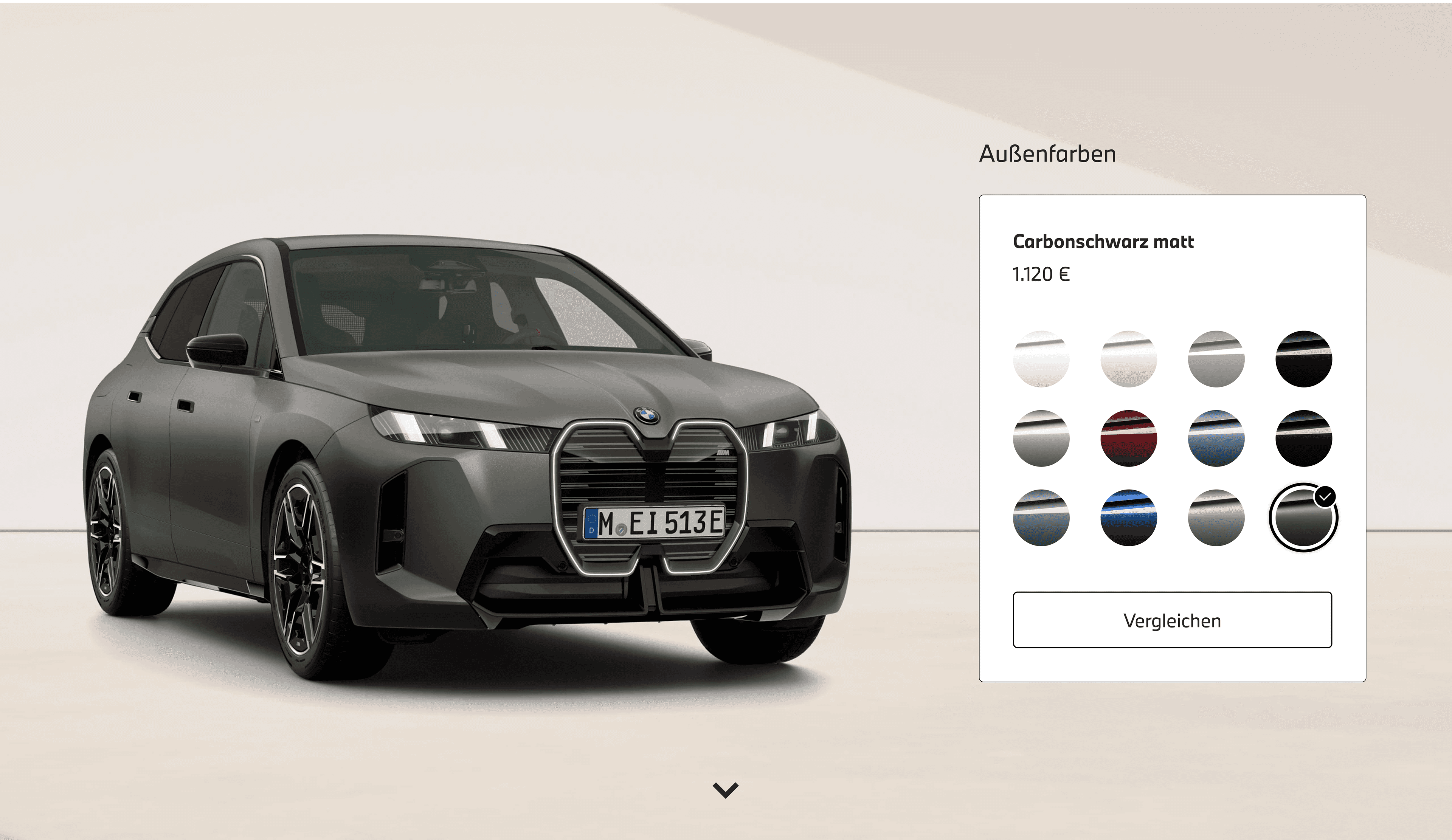
Evolving the BMW Design System: Modern design governance and component-based architecture for the entire BMW Group digital ecosystem.
The modernization of the BMW Design System marks a decisive step in the evolution of the brand's digital experience. The focus was on transforming a legacy structure into a high-performance, component-based system that meets the needs of product designers and the expectations of end users alike. By redesigning the architecture, we ensured that BMW's digital identity remains consistent across all touchpoints. We guided this process to optimize usability at a systemic level and create a solid foundation for scaling digital products throughout the entire group.
Design Ops as a catalyst: Clear governance for accelerated product cycles.
A key element of our work was establishing a resilient Figma Design System Governance. To harmonize collaboration between diverse product teams, we developed dedicated workflow models and governance flows. These structures not only regulate the creation and maintenance of components but also define clear responsibilities within the Design Guild. Implementing these Design Ops processes reduces friction in daily operations and allows teams to focus on user-centricity instead of getting lost in administrative design decisions.

Efficiency through structure: A unified design foundation for global synergies.
The technical translation of the visual language was achieved through precise component specifications for the frontend component library. By closely linking design and engineering, a single source of truth was created that functions across the entire system. The group-wide Figma library now serves as a central hub for all digital initiatives. The result is a significant increase in product development effectiveness. Synergies are utilized optimally, while the visual and functional consistency of the BMW brand is strengthened at every digital touchpoint—from mobile applications to complex web platforms.
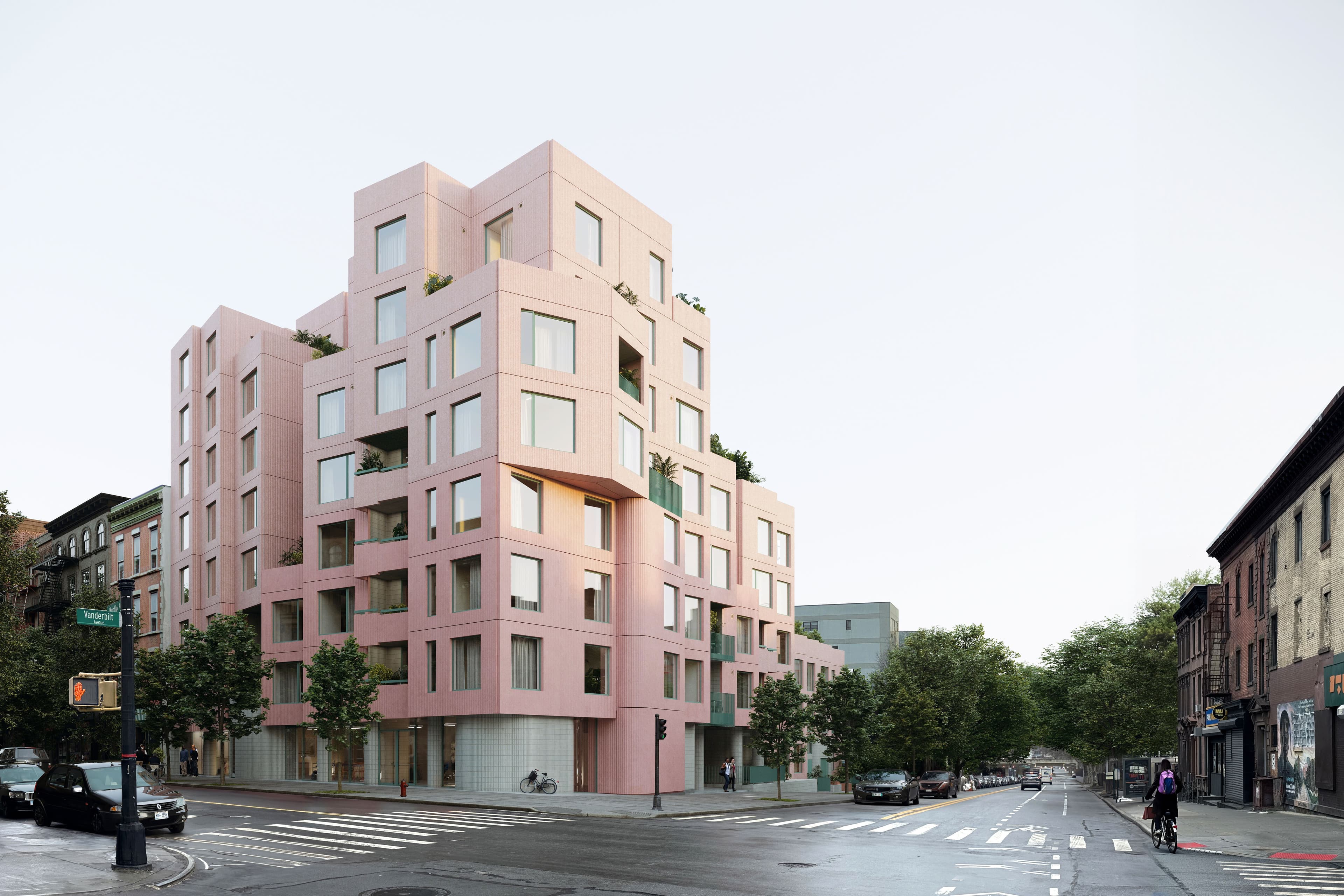
144 Vanderbilt, New York City
Frontend Development, Real Estate, Marketing Website
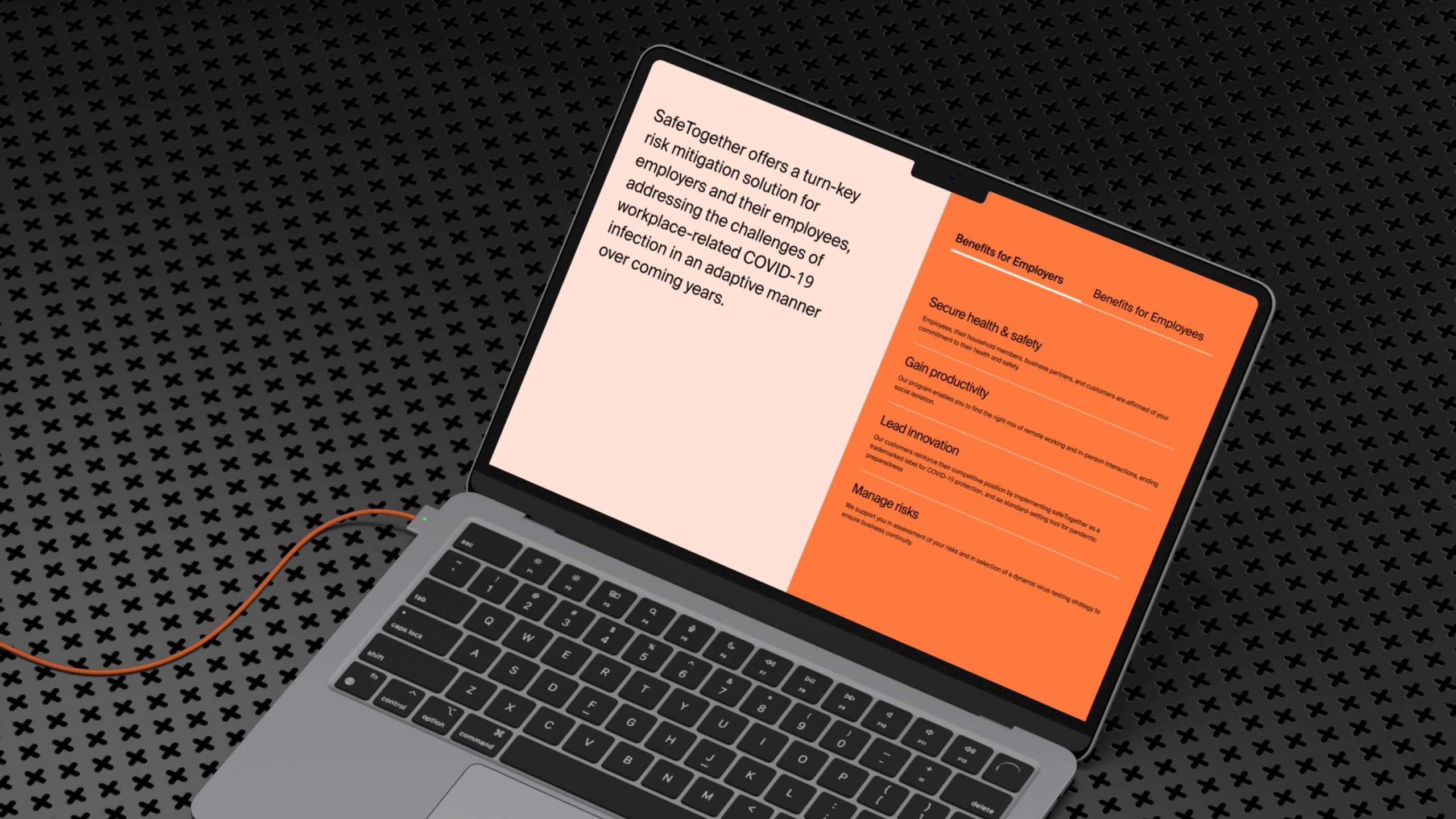
Megeno
Digital Platform & Brand Experience for Preventive Healthcare