




BlogApr 7, 2026
Why Building Everything Faster is Actually Making Your Product Worse

The technical barrier to building has collapsed. With tools like Claude Code, a single expert can now architect functional, high-fidelity systems in a terminal that once required an entire department. To a business owner, it looks like a 10x shortcut to market. To a seasoned designer, it looks like we are outrunning our own thinking.
In 2026, "good enough" UI is a commodity. If you are not careful, your speed is just a faster way to build the wrong thing.
The "Why" is Being Hollowed Out
We have always had a bias toward action, but AI has supercharged our worst habits. Because we can bypass static mockups and go straight to code, the temptation to skip deep research is nearly irresistible.
The result is Automated Complexity. Jumping into Claude Code without a rigorous plan is essentially playing a slot machine where you hope for a hit but usually end up with "okayish" results or worse. Without a clear strategy, you are building functional products on a foundation of unverified assumptions. A working prototype creates a false sense of progress, but without the grounding of qualitative research, you are simply shipping "AI slop" that users are already fatigued by.
The Curation Moat
As Nielsen Norman Group notes, UI is no longer a differentiator because standardization and AI-powered design tools have made decent-looking interfaces common. The value has moved upstream to Strategic Problem Solving.
The industry is splitting into two camps:
- The builders focused on automated volume, shipping entire platforms that look polished on the surface but fail to solve specific, complex user problems.
- The strategists who know that intentionality and the depth of seasoned experience make the difference between a generic interface and a brand with true substance.
Harnessing the Machine for the Moat
At muse case, we view AI as a tool for Precision Automation. We use it to handle the repetitive mechanics of design so we can focus on the strategic soul of your product.
What we are doing now
We have integrated specific AI "Skills" into our daily workflow to eliminate human error and maintain consistency:
- Precision Editing: We use custom-trained UX writing skills to audit our content against industry best practices. This ensures every button and label is consistent with your brand’s specific tone of voice.
- The "Cold Start" Catalyst: We use AI to rapidly visualize multiple ideas in the time it once took to sketch one. This acts as a high-speed "vibe check," allowing us to move past the blank canvas and spend our energy on the curation that makes the final design unique.
- The Pre-flight Critique: We utilize AI to stress-test our designs against the "Laws of UX" and common edge cases. This acts as a quality filter, ensuring our Human 4-Eyes Reviews are spent on high-level strategy and product logic, not basic alignment errors.
- Code-Informed Prototyping: We develop explicit skill files to guide AI agents in building high-fidelity prototypes. By combining our frontend expertise with these specialized instructions, we create test environments that behave like real software long before full engineering begins.
What we are exploring
The future of our craft lies in shifting quality from a "final step" to a "constant state":
- Internal Accessibility Checkers: We are testing tools that run during the design process to ensure every product is compliant and inclusive from the first pixel.
- Proprietary Asset Generation: We are investigating how to generate high-quality brand imagery that remains consistent and unique to your visual identity.
- Tailored SEO Builders: We are developing skills that allow us to assemble "brand-safe" pages using pre-designed sections, bridging the gap between aesthetic design and discoverability.
Preventing Token Burn
Every prompt carries a cost. In 2026, "guessing" with AI is an expensive business liability. As AI companies pivot toward profitability, the price of iteration by trial and error will only increase.
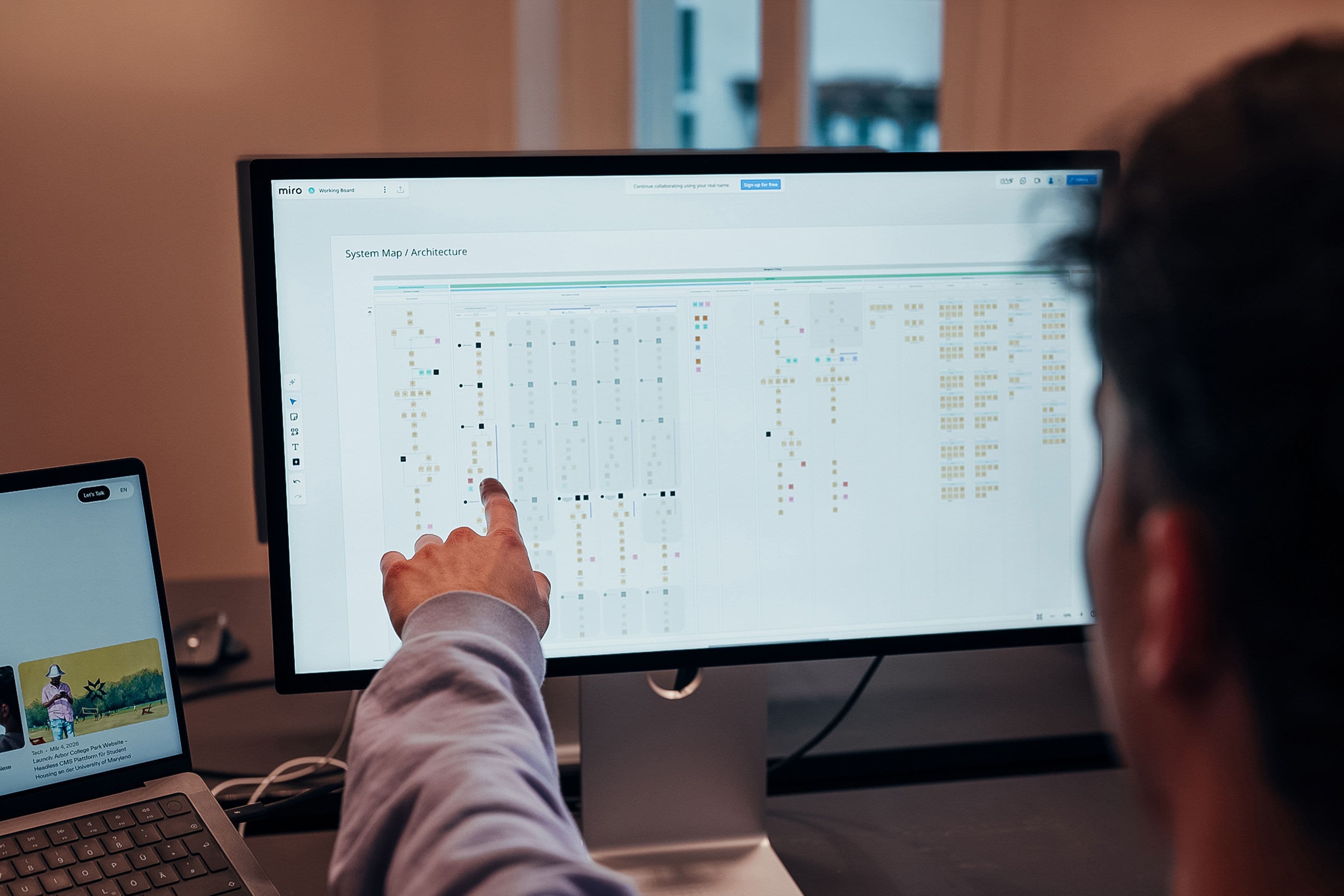
We provide Expertise-led Acceleration. We use Product Strategy and User Research to narrow the scope before a single command is run.
- Research is the data: Gathering the "what" and the "how" from your users.
- Strategy is the decision: Deciding what that data means for your business goals.
We provide the consulting expertise to translate those insights into a product roadmap that actually wins. This ensures every token spent is an investment in a validated direction, preventing the "Over-Designed MVP" trap.
Create the Right Thing, Faster
The speed of 2026 is a massive benefit when used correctly. Because we can reach high-fidelity faster and cheaper, we use those savings to double down on validation, ensuring we build on proven value rather than "okayish" assumptions.
Building is now the easy part. Winning requires the strategic filter we provide at muse case. We use AI to accelerate our reach, but our expertise ensures your brand remains a unique, high-value destination in a sea of generic software.
Don't just ship faster. Ship with a moat.
![[object Object]](/_next/image?url=https%3A%2F%2Fcdn.sanity.io%2Fimages%2Fqnbxd1h1%2Fproduction%2Faea7a587daff2fad092d82baac6ecd01073cf75a-800x1120.jpg&w=1920&q=75)
Jannis Wäder
UX Designer
Previous & Next Article
get in touch
Convinced that we are the right ones for your project? Let's work together!

Dan Scharf
CEO
Begin your inquiry now
Contact us via email, and we will get back to you promptly.