





NeoGuard AI
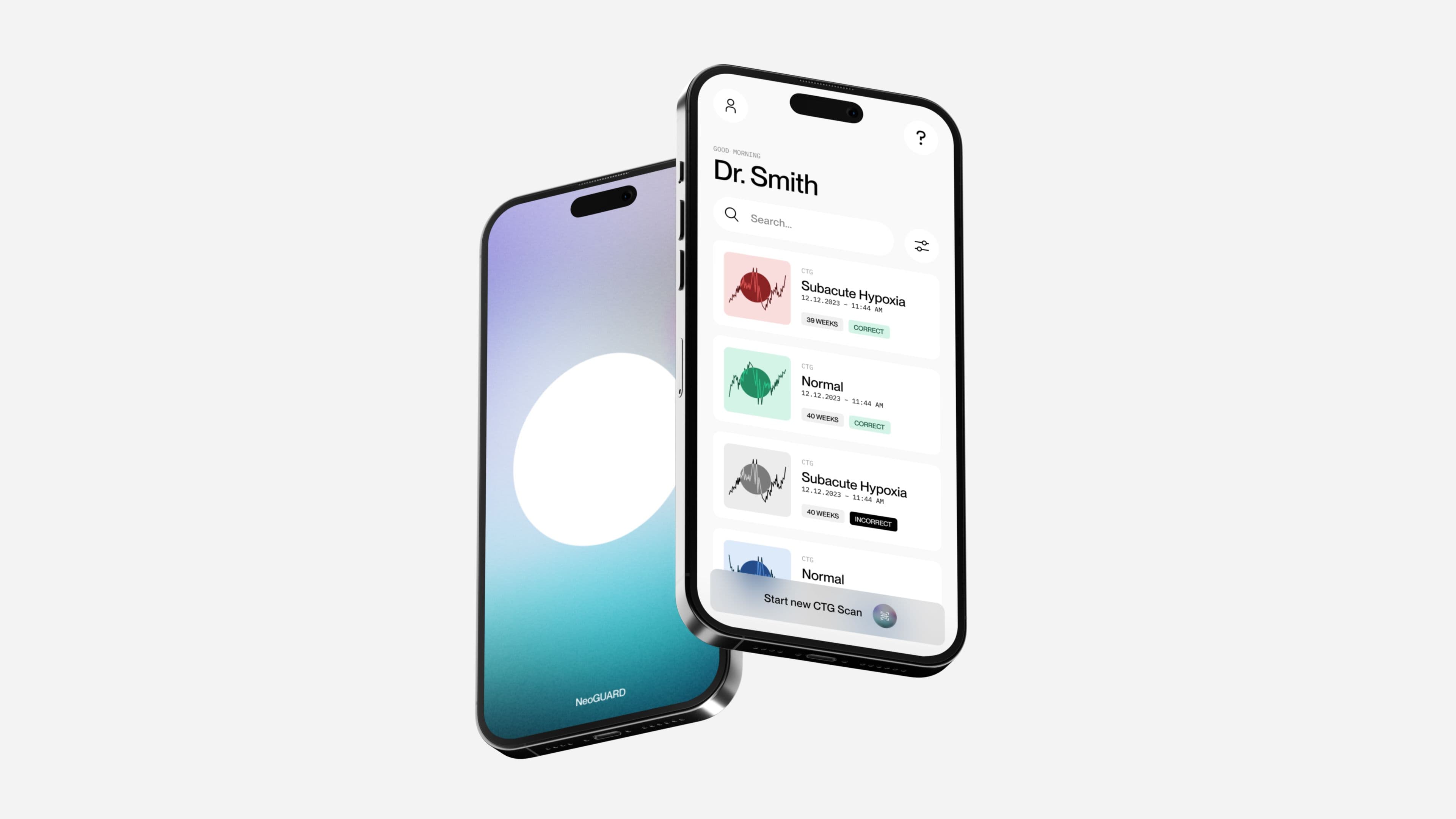
AI-powered CTG analysis for healthcare professionals, live in clinical use. UX design, application design, and AI engineering.
In the delivery room, midwives and doctors monitor several births in parallel. Manual interpretation of cardiotocography (CTG) data costs time in this situation, is subjective, and error-prone under pressure. Software will not solve the staffing shortage. What software can do: take the analysis off the professionals' hands so their attention stays with the people in the room.

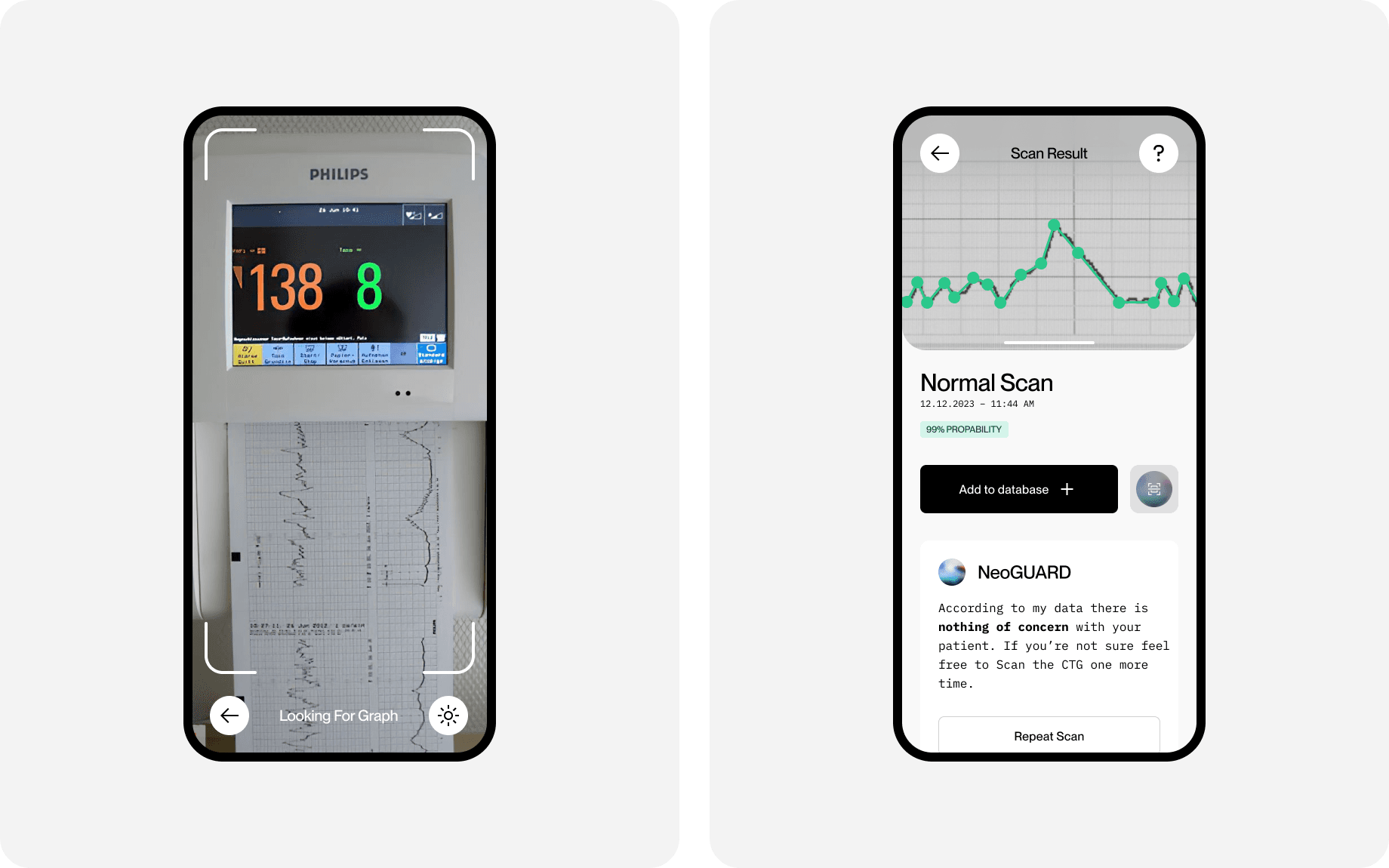
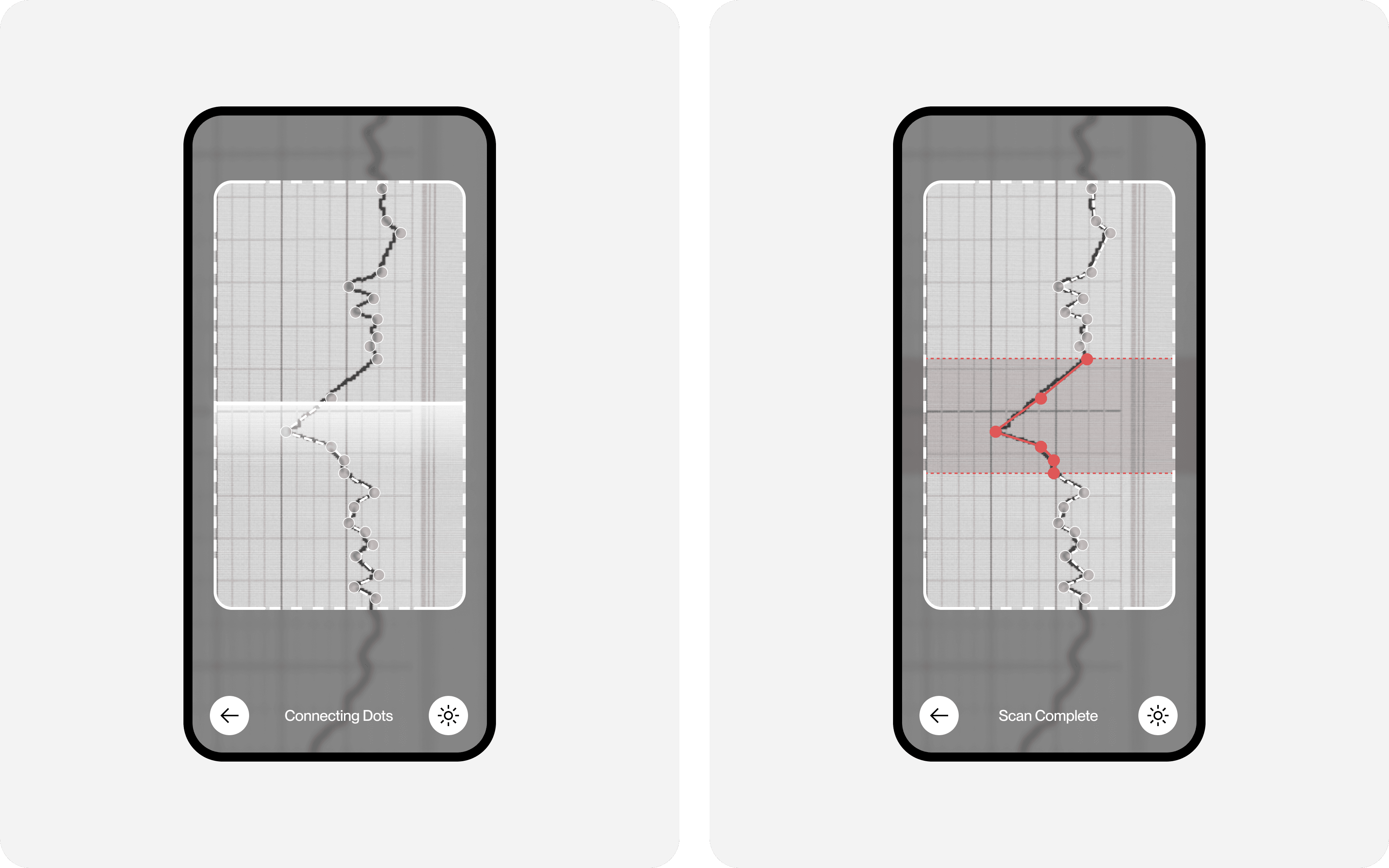
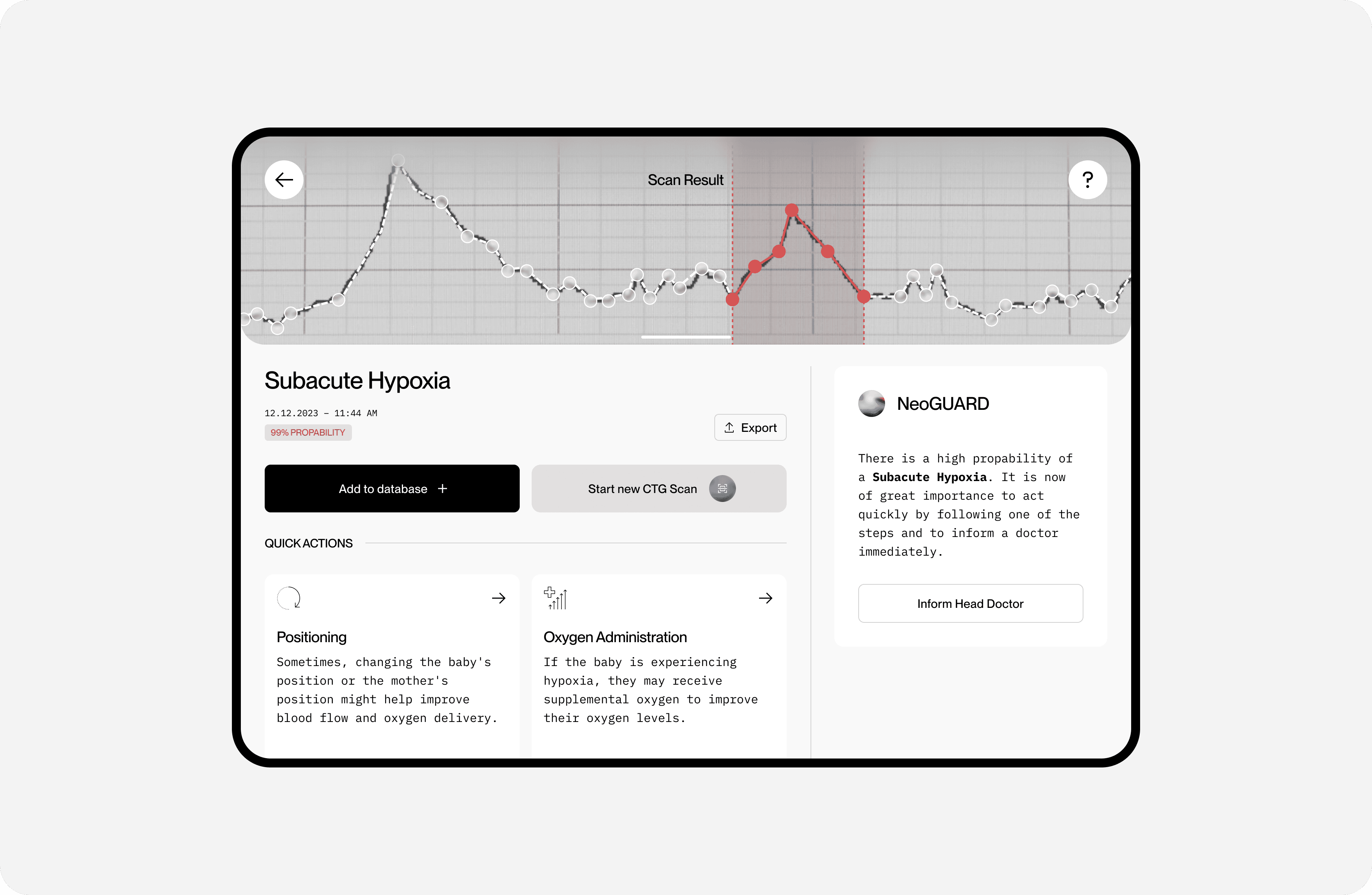
NeoGuard analyzes CTG readings using machine learning and delivers results in seconds instead of minutes of manual curve interpretation.
The system detects subtle patterns and anomalies that are easily missed under time pressure and flags them directly on the device. The judgment stays with the professionals: NeoGuard supports medical expertise, it does not replace it. The application is live in clinical use.

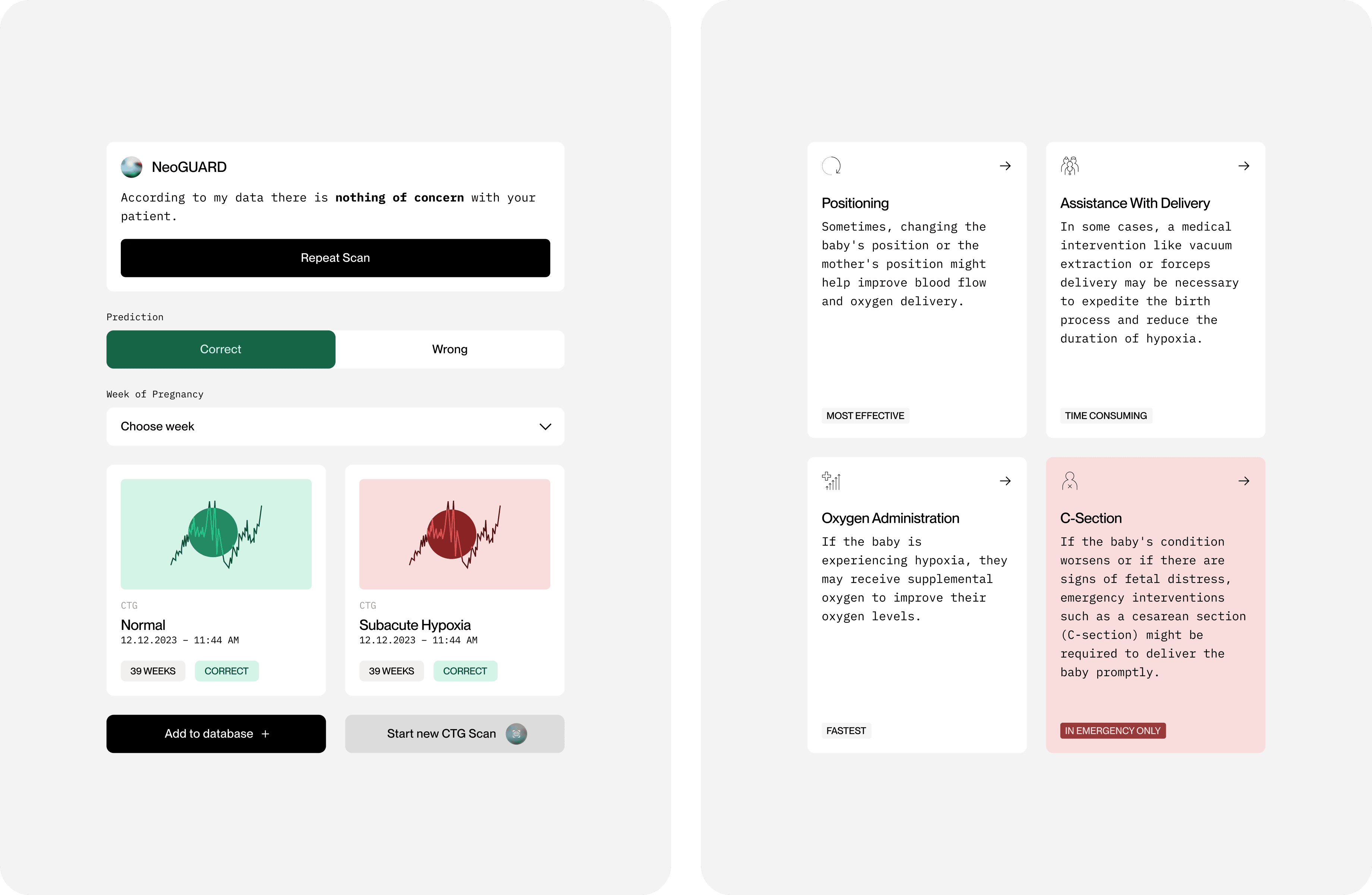
In real childbirth scenarios, there's often little time for the evaluation and interpretation of CTG curves. For this reason, we've simplified all the features of the NeoGUARD app to the maximum. This way, NeoGUARD can be used intuitively and easily even in stressful situations. Additionally, the artificial intelligence evaluates the measurement data within a few seconds. This reduces the likelihood of unrecognized irregularities by the NeoGUARD app, adding to the safety during childbirth. It acts as an AI assistant that makes the birth of children a bit safer.
NeoGuard runs cross-platform on smartphones and tablets. Hospitals need no specialized hardware, standard devices are enough.
This lowers the cost of entry and makes AI-supported CTG analysis available where it is needed: at the bedside, not in the server room. Functionality, user-friendliness, and flexibility are at the core of the design, ensuring an intuitive user experience and reliable CTG scan results.
NeoGuard combines machine learning with an interface that works in the most stressful situation a hospital knows.
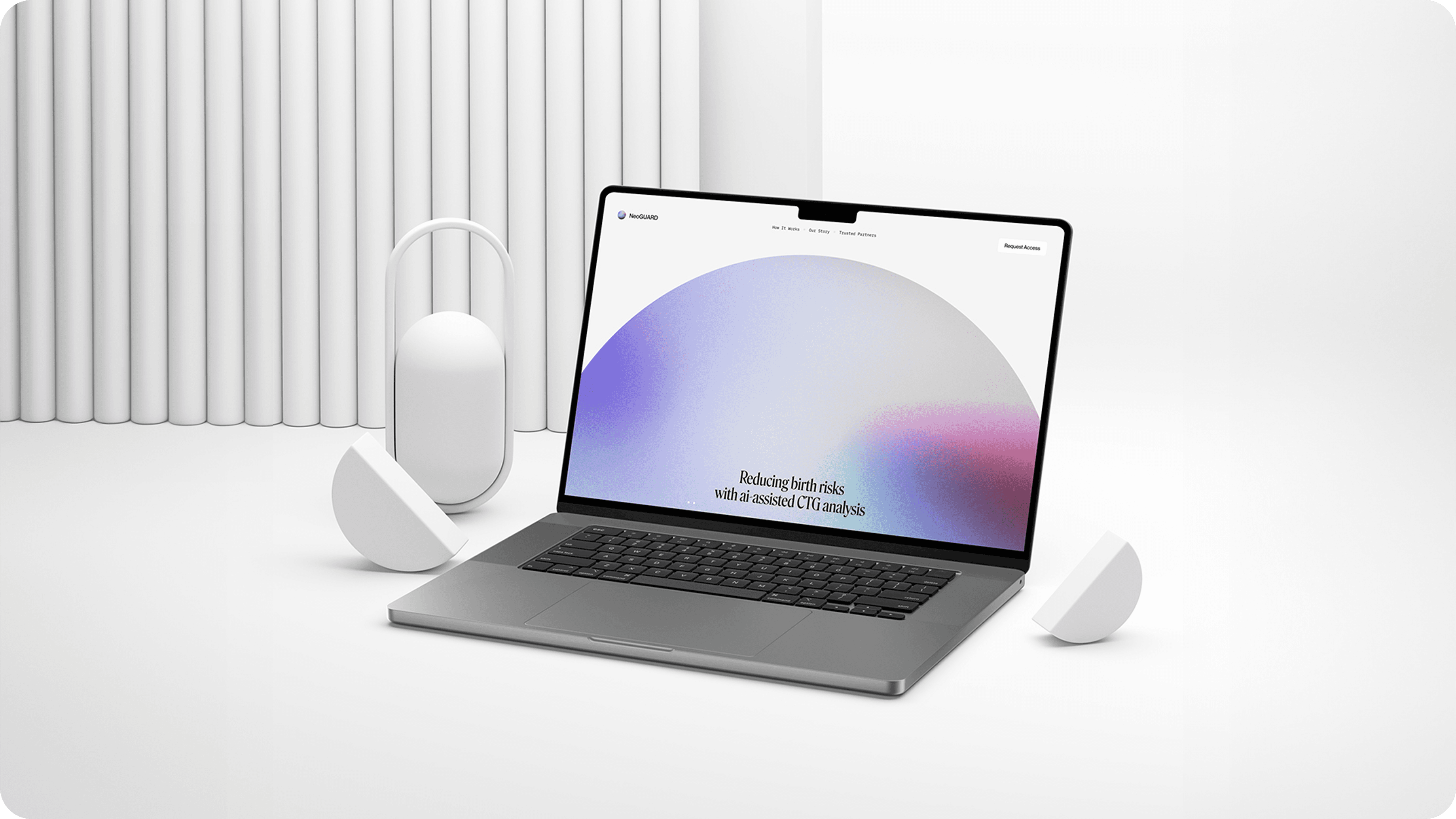
NeoGUARD is advanced AI technology with a sleek, intuitive design that allows users to focus on what matters most: working with people. Artificial Intelligence - user-friendly and providing real value to people.
AMP, New York City
Branding, UX Design, Headless Marketing Website

OmniBot
UX Design, Frontend und AI Engineering.